Craftsmanship
Upholstery craftsmanship lives in the details: the line of a seam, the shape of a cushion, and a finish that belongs to the piece.
Discuss Your PieceCraftsmanship you can see and feel
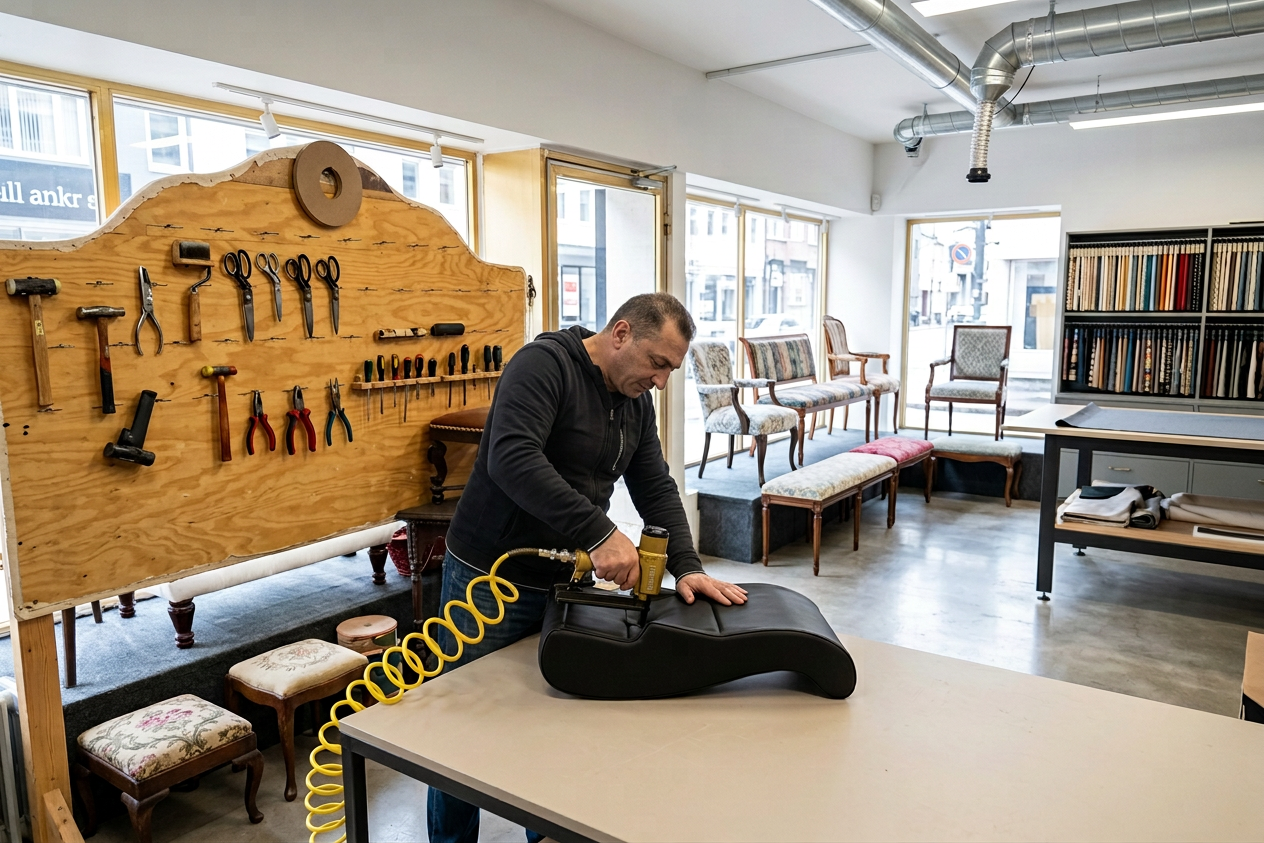
At Skippy Upholstery, more than 40 years of upholstery experience inform the decisions behind a finished piece. The starting point is its condition and construction. A worn cover, a tired cushion, and a loose frame may need different work, so we consider them before discussing the finish.
Good fitting follows the shape of the furniture. Curves, corners, and visible edges all influence how fabric sits. Pattern placement, trim, and seam lines also change the appearance. For an older piece, photographs of original details can help explain what you want to retain as the upholstery is renewed.
Explore furniture repair and restoration, furniture reupholstery, and material choices to see how these decisions connect.
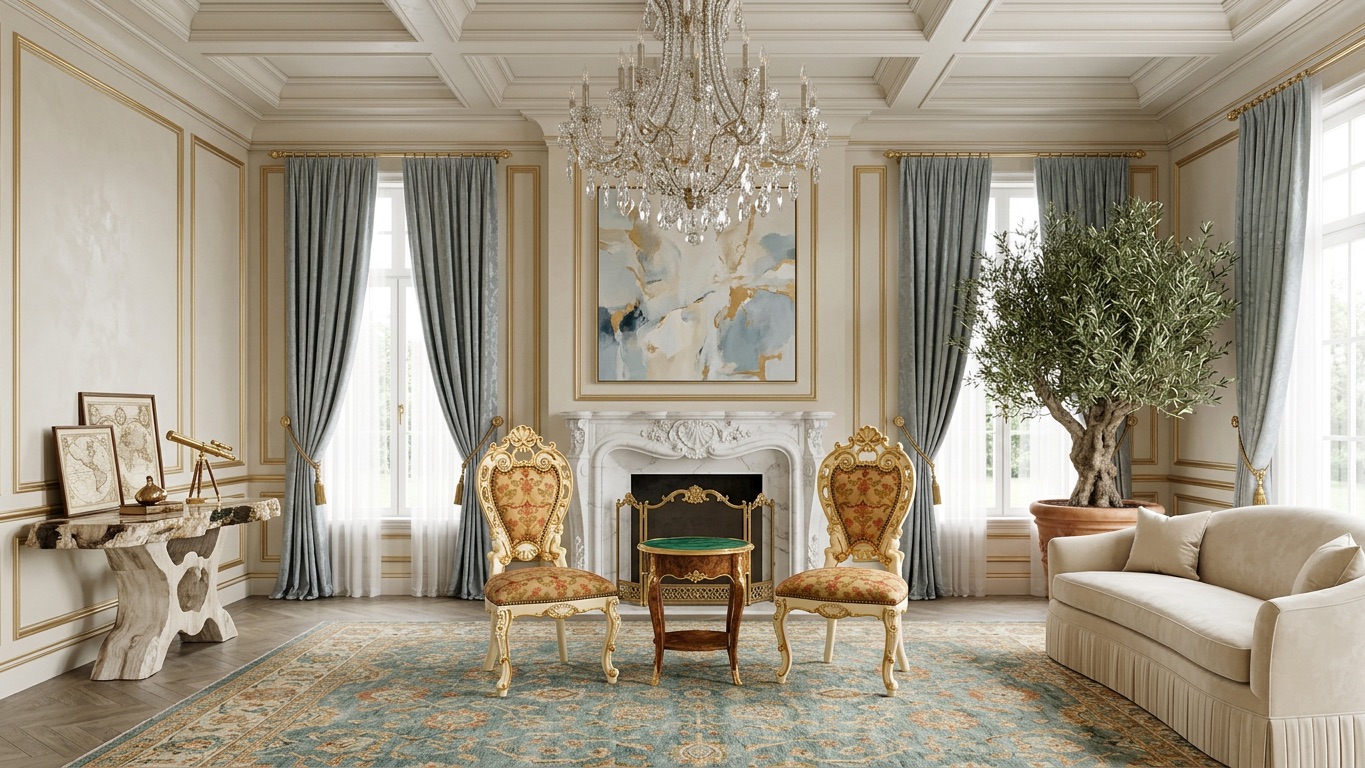
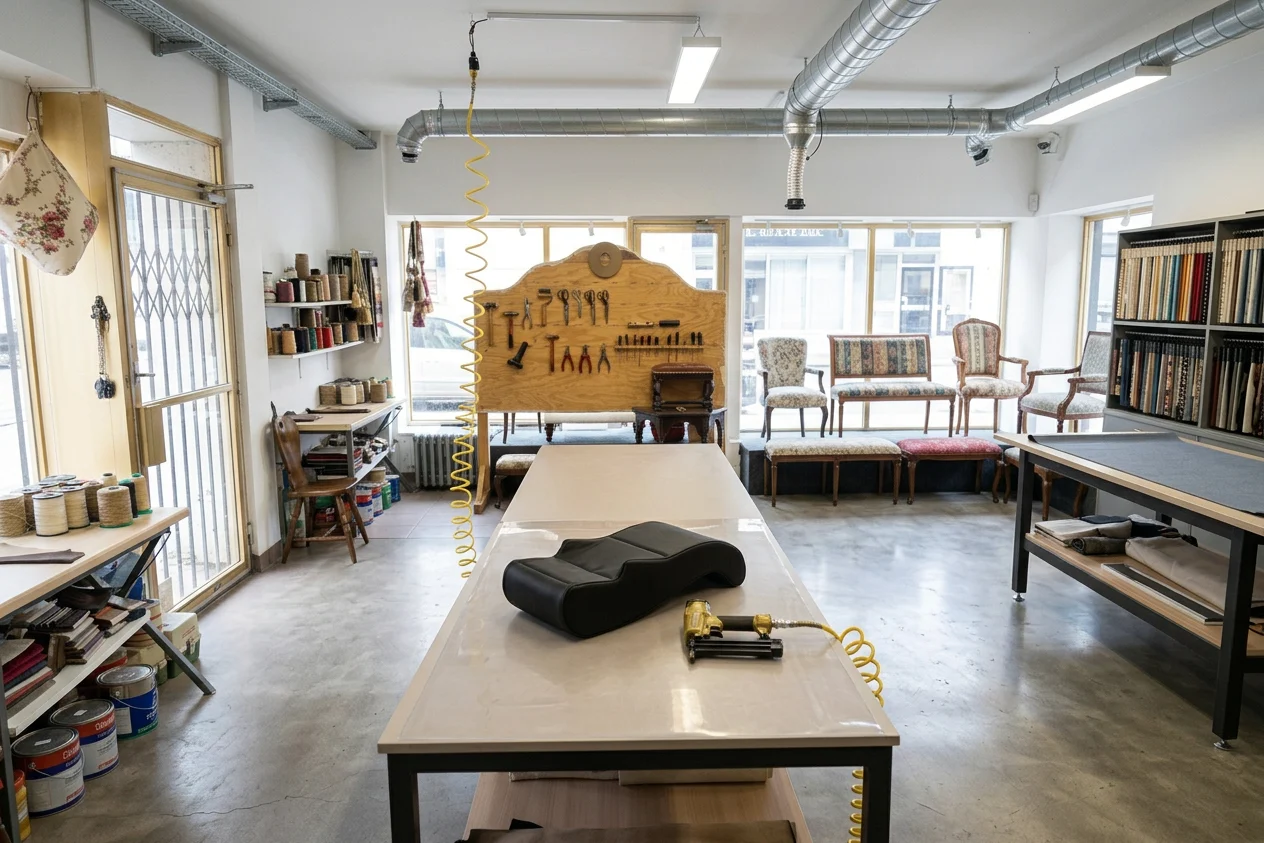
Upholstery craftsmanship from frame to finish
Smooth panels, deep tufting, and vertical channels each give seating a different character. The right approach depends on the furniture’s proportions and the look you have in mind. Cushion shape and firmness deserve attention too: a seat should suit its purpose as well as the room around it.
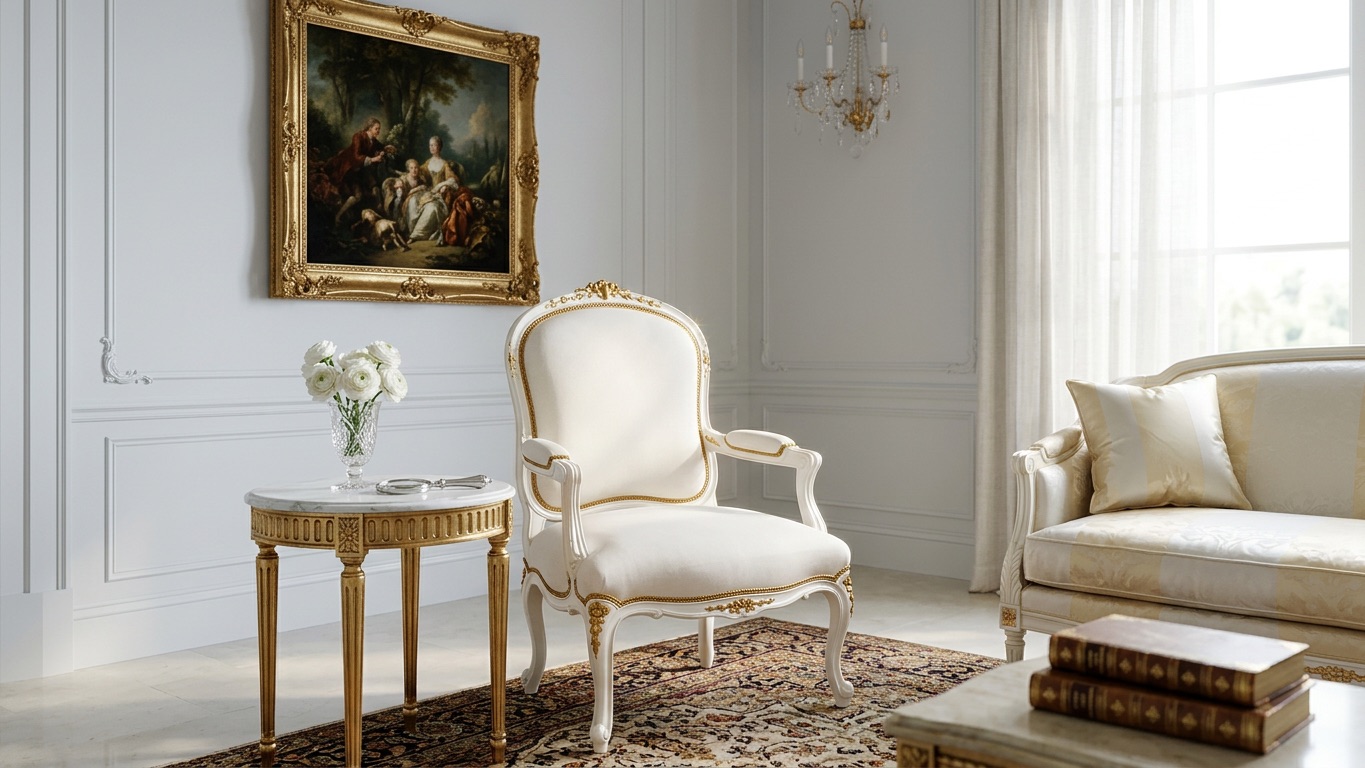
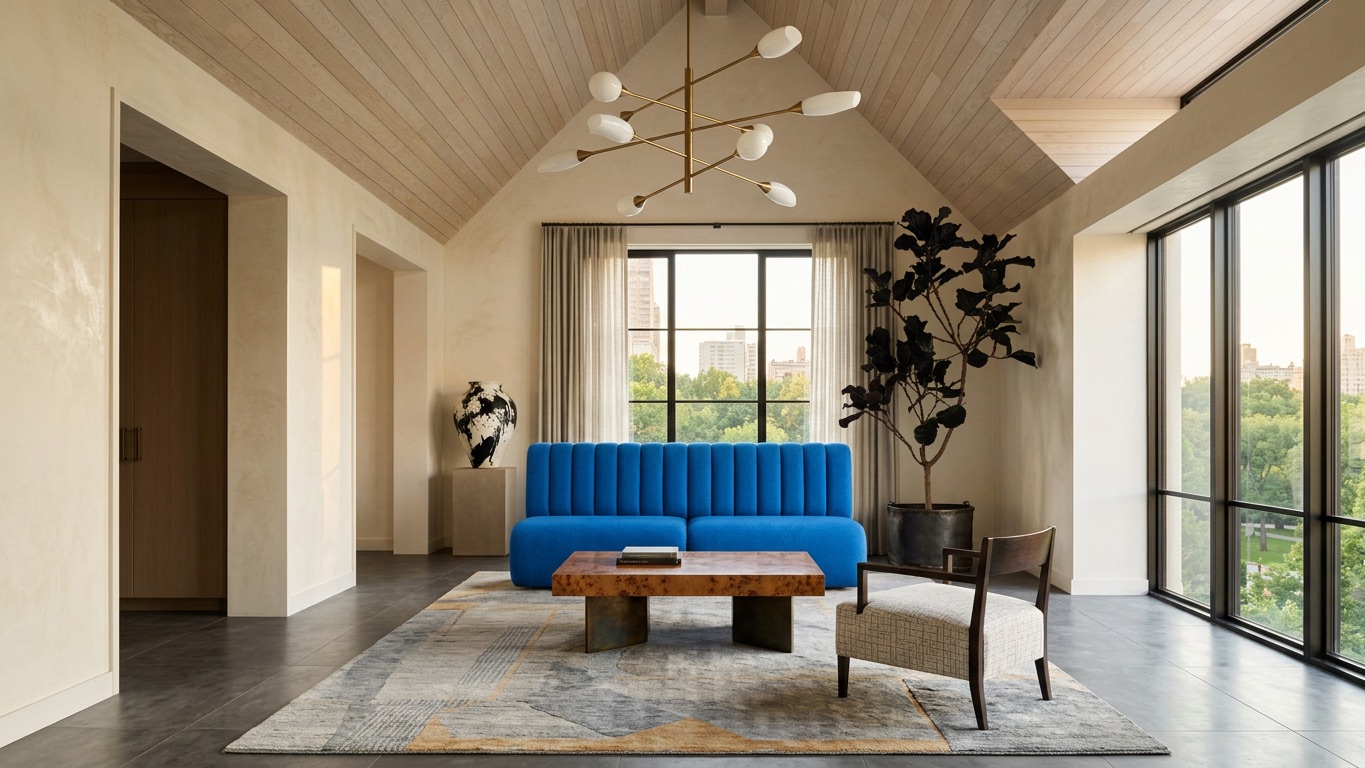
Our French provincial armchair project highlights decorative trim and a traditional silhouette. A blue channel-tufted banquette uses repeated lines for a different effect. These projects show why upholstery craftsmanship begins with the particular piece, rather than one finish applied to everything.
For your own project, request an estimate with wide photographs and close views of seams, trim, and damage. Tell us which details matter most to you. You can also explore our Brooklyn workshop or browse more completed upholstery projects for ideas. First, look closely at the seams and edges of your existing piece. Then share the details you want to preserve. Repair can also extend the life of useful furniture; read New York State’s guidance on reuse and repair.
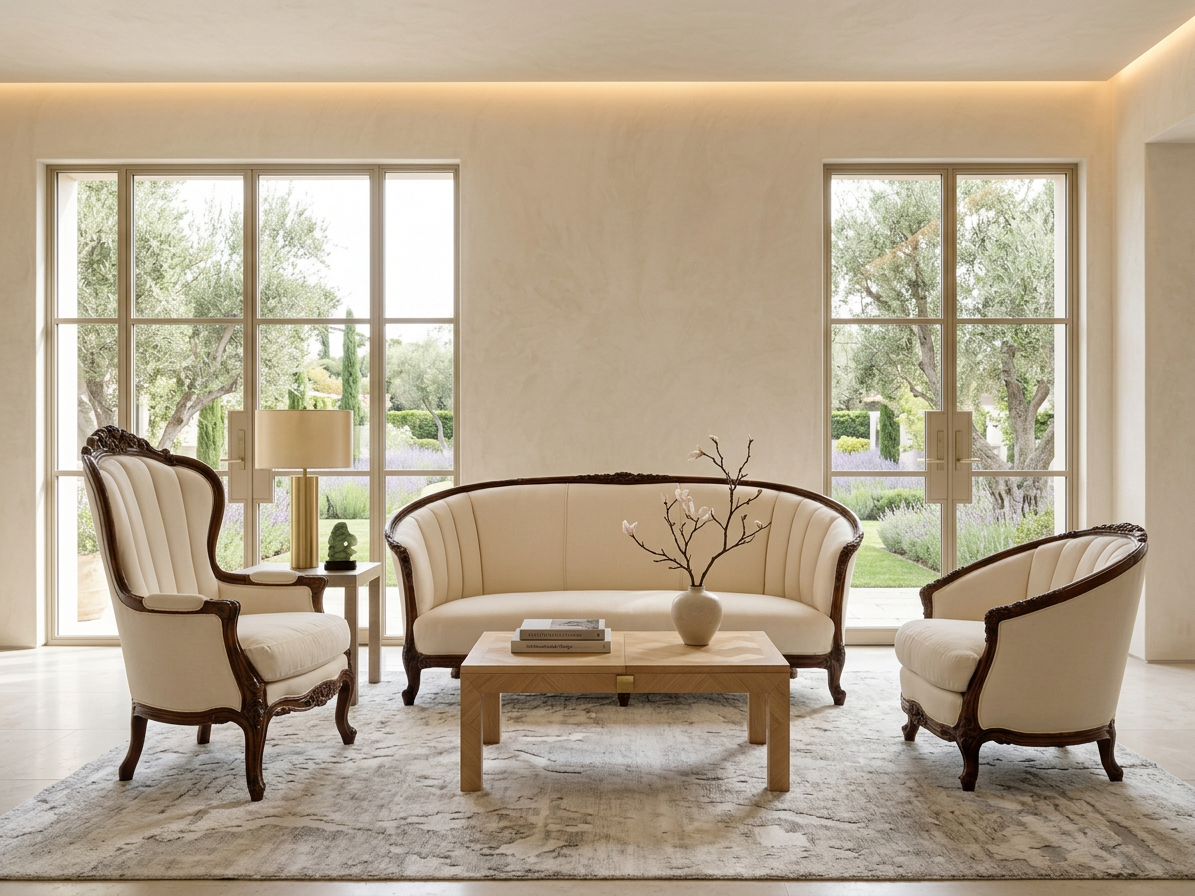
A closer look at the details
Explore traditional trim, channel details, and tailored cushions in these completed projects.