Antique Furniture Restoration in Brooklyn
Antique furniture restoration in Brooklyn, with care for the piece you value. Discuss worn upholstery, loose joints and the details you want to preserve.
Request an Upholstery EstimateAntique furniture restoration starts with the piece
Antique furniture restoration begins with understanding what you want to keep. A carved chair, traditional sofa or inherited dining set may carry a familiar shape, a useful frame or personal history. At Skippy Upholstery in Brooklyn, we review the condition and proposed work before discussing the finish.
Igor Skipalskiy brings more than 40 years of upholstery experience to the workshop. First, share wide photographs and close views of damage. Then tell us about loose joints, worn wood, previous repairs and the cover. Surface wear and structural problems can call for different work.
For broader repairs, explore furniture repair and restoration. If the upholstery is the main concern, see chair reupholstery or sofa and couch upholstery.
Repair, refinishing and reupholstery
A useful plan separates the frame, exposed finish, padding and fabric. For example, a loose chair may need joint repairs before a new upholstered seat. Meanwhile, worn trim or a damaged cover can change the appearance without explaining the condition beneath it. We consider those parts together.
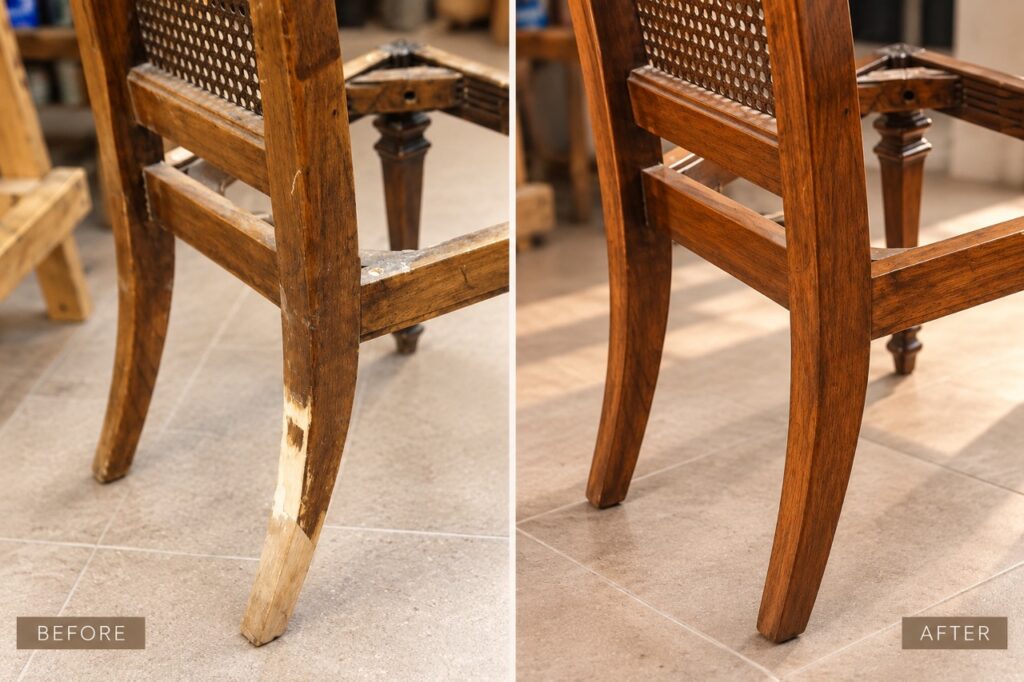
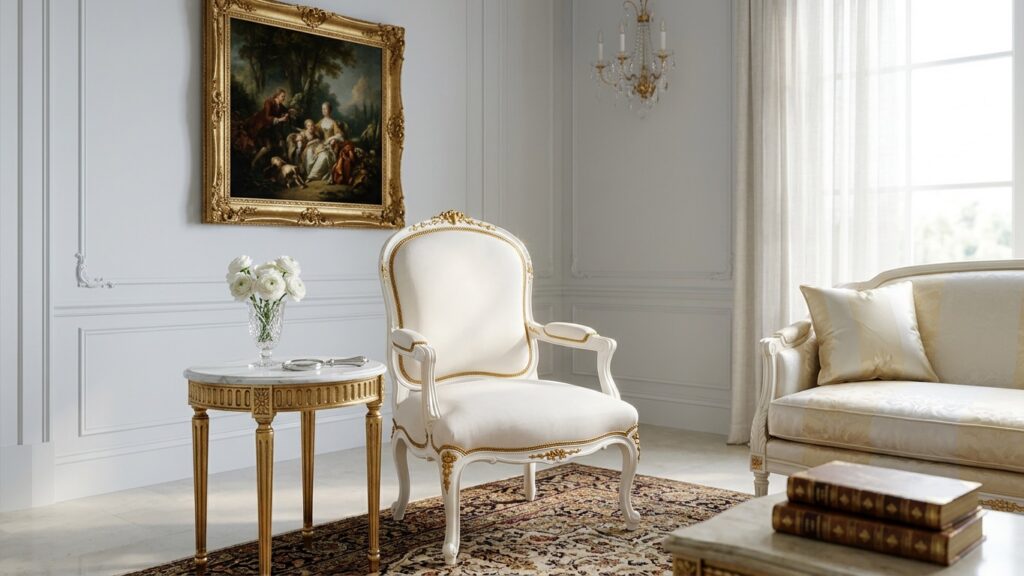
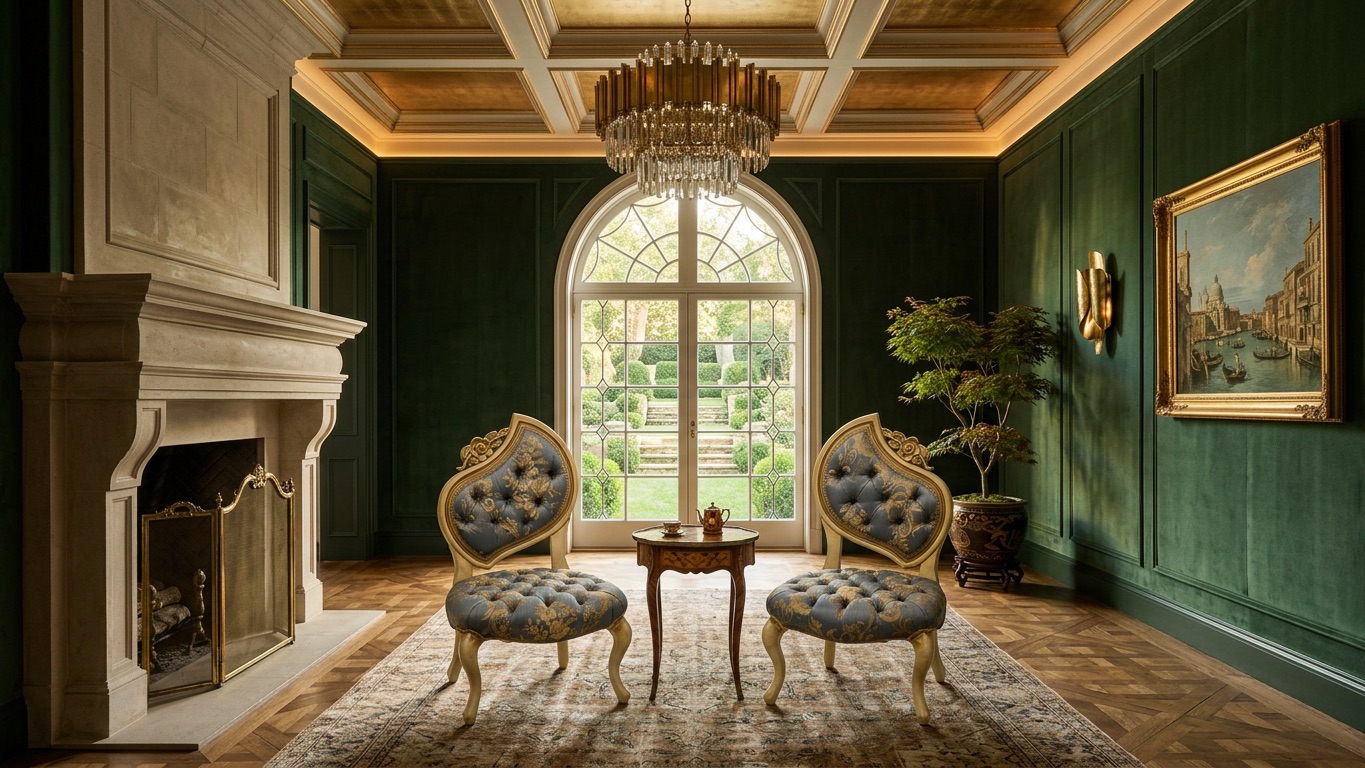
Our wood restoration and chair repair project shows attention to the original frame and surface. The Rococo dining chair project highlights ornate furniture, while blue and gold French Provincial seating illustrates traditional upholstery details.
Tell us which features matter most: carved wood, a silhouette, decorative trim or a particular fabric arrangement. Older photographs can be useful references. We discuss the proposed work around those priorities; age, maker and market value need their own assessment.
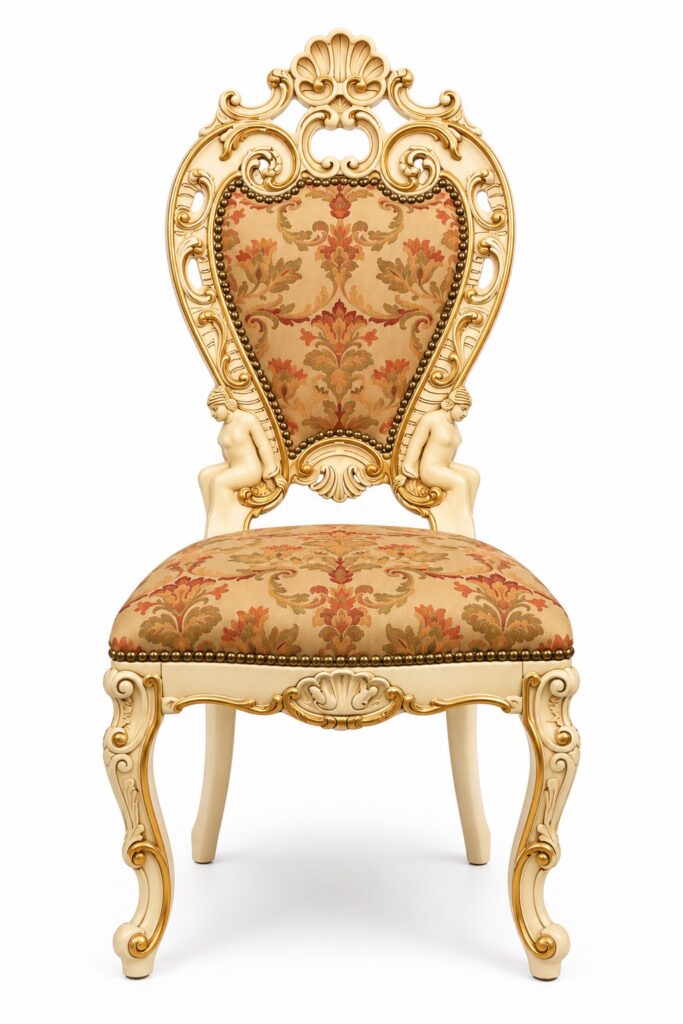
Rococo chair project — patterned upholstery framed by ornate carved details.
Featured project: upholstery around ornate carving
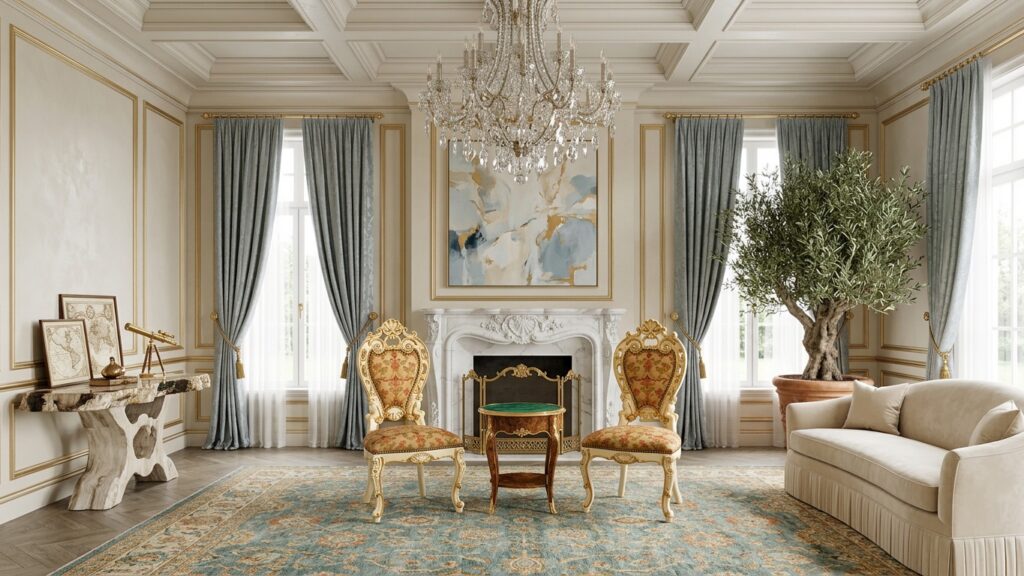
The Rococo dining chair project pairs warm patterned upholstery with an ivory-and-gold carved frame. The fabric follows the shaped back and seat, while nailhead trim defines the upholstered edges. For antique furniture restoration, these meeting points matter: a new cover should fit the piece while keeping its decorative woodwork visible. Share close views of carving and trim when discussing a similar chair.
Document the details before work begins
Photograph the whole piece, the underside where accessible, joints, legs and any labels or marks. Include dimensions and the number of pieces. Also describe movement, damaged wood and the way the seat feels. Avoid dismantling furniture simply to take photographs.
Next, explain how you want to use it and which changes you are considering. Repairs, refinishing and new upholstery can alter existing finishes and details. Agree on what will be retained and what will change before work starts, especially when the original surface matters to you.
Plan an antique furniture restoration estimate
The estimate depends on construction, damage, previous repairs, materials and the proposed finish. Carving, tufting, trim and matching a set can add work. Some conditions need an in-person assessment before the scope can be confirmed.
Our materials guide and craftsmanship page explain cover choices and fitting details. To begin, request an estimate with photographs and your Brooklyn or NYC location. We will discuss whether the project fits the workshop’s services.
Keeping useful furniture in service can reduce waste. New York State’s reuse and repair guidance explains the benefits of repair. Contact the shop before arranging to move an older piece.
Antique settee: before and after
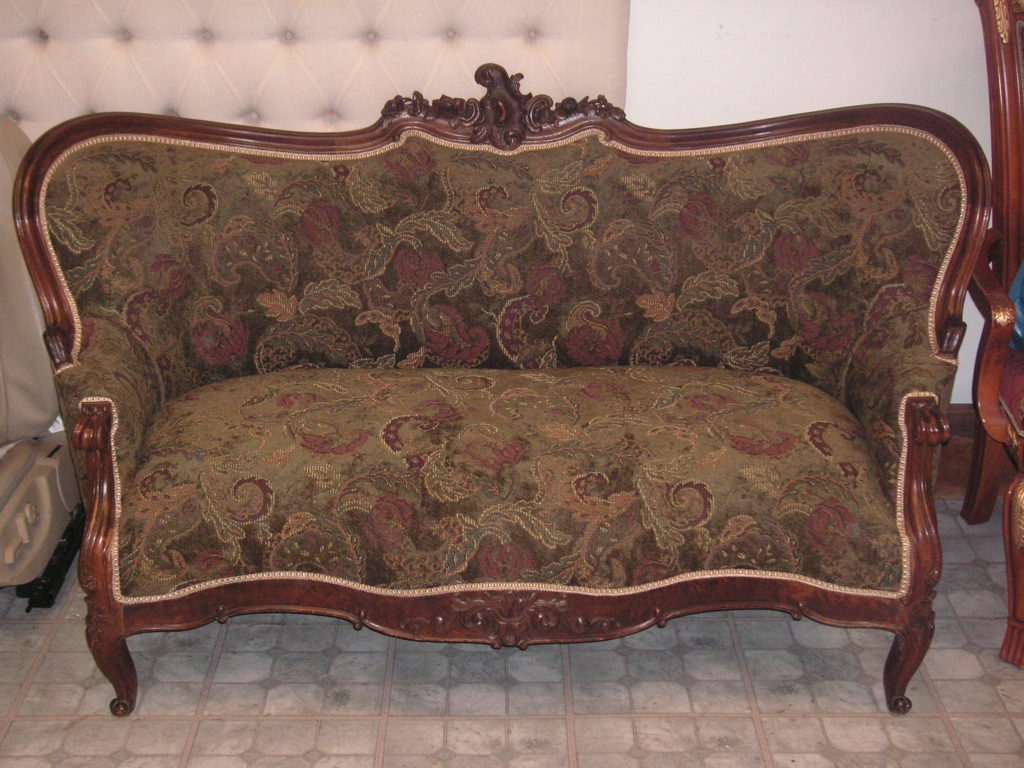
These original photographs show the same carved settee before and after reupholstery. The gold cover gives way to green floral fabric, while the distinctive carved outline remains visible. They illustrate how upholstery can change the character of a valued older piece.
Before
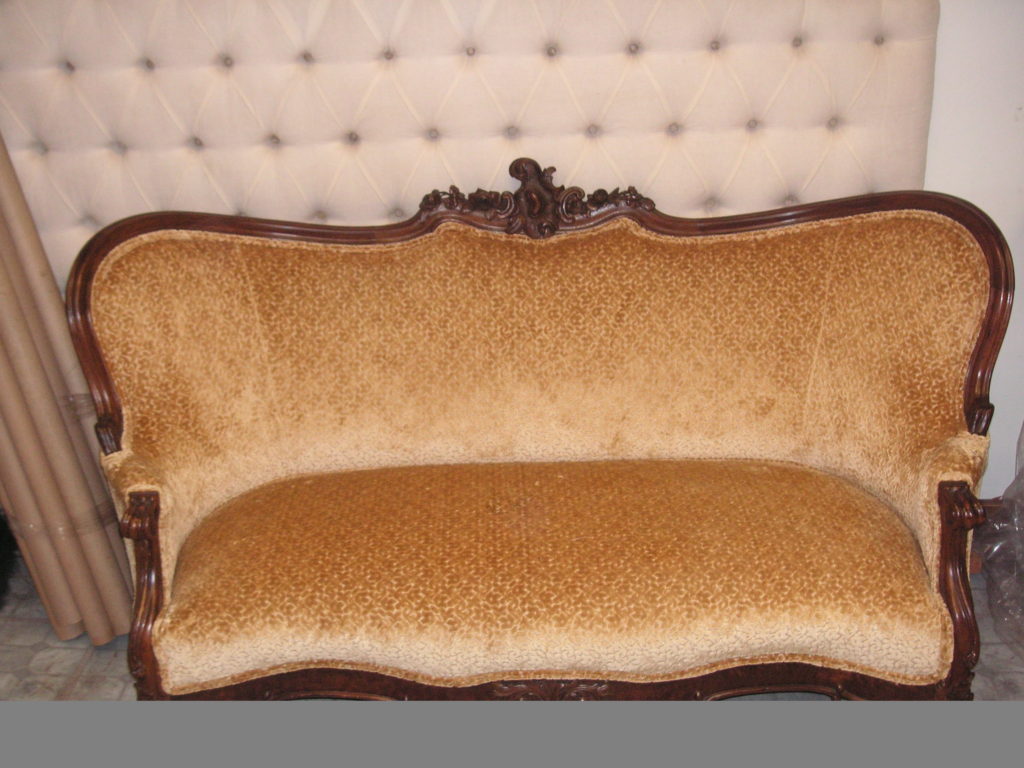
Original project photograph — before upholstery work.
Questions about antique restoration
Can you repair an antique chair and renew the upholstery?
We can discuss the wooden frame, finish and upholstered parts together. Photographs and an assessment help determine the appropriate scope for the particular chair.
Can original details be retained?
Tell us which details you want to keep and share any older photographs. The plan should state what will remain and what will change before you approve the work.
Before you begin
Will restoration increase the value of my furniture?
We do not promise an increase in antique value. If historical or market value is important, seek an independent appraisal or specialist conservation advice before choosing alterations.
How much will the work cost?
Construction, condition, previous repairs, material choices and finishing details affect the estimate. Send photographs and dimensions so we can discuss a project-specific plan.
Antique furniture restoration and related projects
Explore antique and wood-restoration tagged projects. Individual project pages describe their furniture, upholstery and repair details.